Why Crepey Skin Develops on the Face and Neck and How Sofwave Can Help

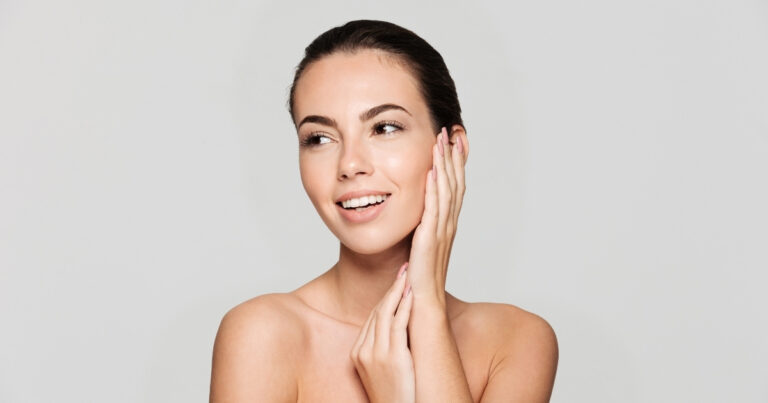
Woman with smooth, firm skin after Sofwave treatment for crepey skin on the face and neck at Admire Aesthetics in Medford, OR

Fine wrinkles and a delicate, thin texture often appear on the face and neck as we age, causing the skin to look and feel crepey. This change can be frustrating, especially when it shows up suddenly or worsens despite your best skincare efforts. Crepey skin on the face and neck comes from a complex mix of aging, sun exposure, and lifestyle habits that moisturizers and serums alone rarely fix.

At Admire Aesthetics in Medford, OR, skin tightening is one of our core specialties. As an award-winning medspa that has treated over 20,000 patients across Southern Oregon, we have helped many of them firm and smooth crepey skin. Let’s explore what causes crepey skin on the face and neck, the at-home habits that help, and how Sofwave stimulates collagen and elastin for firmer, smoother skin.

Key Takeaways

  • Crepey skin on the face and neck results from collagen loss, UV exposure, aging, and lifestyle factors.
  • Sun protection and at-home skincare can slow it, but professional treatments may be needed for real improvement.
  • Sofwave is an FDA-cleared, non-surgical ultrasound treatment shown to stimulate new collagen and elastin.
  • Pairing Sofwave with expert skincare and healthy habits can maximize and prolong your results.
  • A personalized consultation is the best way to start treating crepey skin on the face and neck.

What Is Crepey Skin? 

Crepey skin appears thin, finely wrinkled, and slightly loose, much like crepe paper. Unlike deeper wrinkles that form from repeated muscle movement, it is marked by many small, shallow lines and a fragile appearance that makes skin look less firm and more prone to sagging.

The face and neck are among the most common areas for crepey skin to develop because the skin here is naturally thinner and more exposed to sunlight, pollution, and daily movement. As a result, these areas are often the first to show signs of aging and skin laxity, especially on the cheeks, under the eyes, along the jawline, and on the neck.

What Causes Crepey Skin on the Face and Neck 

Crepey skin develops from a combination of internal and external factors. Understanding them helps guide your decisions about prevention and treatment.

Sun Exposure 

Daily sun exposure is one of the biggest contributors to crepey skin on the face and neck. Ultraviolet (UV) rays break down collagen and elastin, the key proteins responsible for firmness and elasticity, and the damage is cumulative. Years of incidental exposure eventually lead to the thinning, sagging, and fine wrinkling of crepey skin, which is why the rarely-covered face and neck often show changes earlier than other areas.

Aging and Collagen Loss 

After age 25, the body produces less collagen and elastin each year. As levels decline, the skin becomes thinner, less firm, and less able to recover from stretching. This connection between collagen loss and crepey skin is why changes show up first where the skin is already thin or frequently in motion. The drop in estrogen during menopause can accelerate the process, further slowing the skin’s natural repair.

Dryness and a Weak Skin Barrier 

When the skin’s barrier is compromised, it loses its ability to retain water, leading to dryness and a more pronounced crepey look. Low humidity, harsh cleansers, and hot showers strip the skin of its natural oils, and over time, chronic dryness makes fine lines more visible while leaving skin more vulnerable to damage and other signs of aging.

Weight Changes and Volume Loss 

Weight loss or gain, along with the natural facial fat loss that comes with age, can change the skin’s structure. When underlying support is lost, the skin may appear loose or saggy, especially in the cheeks, jawline, and neck, exaggerating the crepey look even in those who stay healthy.

Lifestyle Habits 

Smoking reduces blood flow and impairs collagen production. Diets low in antioxidants or healthy fats deprive the skin of building blocks, while chronic stress and poor sleep interfere with its natural repair, all contributing to the thinning and wrinkling of crepey skin.

How to Care for Crepey Skin at Home 

While some causes of crepey skin are beyond your control, consistent at-home care can make a noticeable difference, especially early on. If you are wondering how to treat crepey skin on the face and neck, or how to improve it without surgery, the right treatment often begins at home.

Wear Sunscreen Daily 

Sunscreen is the single most effective way to prevent further collagen breakdown and the progression of crepey skin. Apply a broad-spectrum SPF of at least 30 every morning, reapply when outdoors, and add hats and shade during peak sunlight hours.

Moisturize to Strengthen the Skin Barrier 

A well-chosen moisturizer reinforces the skin barrier and plumps fine lines, making crepey skin less noticeable. Look for hyaluronic acid, ceramides, and squalane, then apply to damp skin after cleansing for smoother, firmer results.

Use Retinoids and Antioxidants 

Topical retinoids stimulate cell turnover and support collagen production, gradually improving texture and firmness. Antioxidants such as vitamin C, vitamin E, and niacinamide help neutralize free radicals and protect skin from environmental damage, slowing the progression of crepey skin.

Support Your Skin From the Inside 

A diet rich in colorful produce, healthy fats, and adequate protein gives skin the nutrients it needs to repair and build collagen. Staying hydrated, sleeping well, avoiding tobacco, and managing stress all contribute to healthier, more resilient skin over time.

Professional Skin Tightening Treatments 

At-home measures can only go so far. When crepey texture is more advanced or persistent, a professional skin tightening treatment offers more dramatic, lasting improvement by stimulating the skin’s natural production of collagen and elastin.

Energy-based devices, such as ultrasound or radiofrequency, are popular non-surgical options for facial and neck skin tightening and are often considered the best treatment for crepey neck skin. They deliver controlled heat below the skin’s surface, triggering the body’s natural healing response and prompting new collagen formation, with results that develop gradually and last for months or longer.

How Sofwave Treats Crepey Skin 

Sofwave is a non-surgical skin tightening treatment for crepey skin on the face and neck. Using proprietary Synchronous Ultrasound Parallel Beam (SUPERB) technology, it delivers precise ultrasound energy to the mid-dermal layer where collagen and elastin are produced, stimulating new collagen. That makes it a true collagen-stimulation treatment rather than a quick surface fix, and one of the most sought-after options for anyone seeking a non-surgical solution for crepey skin.

Sofwave is FDA-cleared to improve fine lines and wrinkles and to lift the eyebrows, submental (under-chin), and neck areas. Its uniform energy delivery minimizes risk to the skin’s surface and reduces discomfort, so most patients have only mild redness or swelling that resolves quickly, with no surgery or extensive recovery.

What Sofwave Can Do for Your Skin 

Patients who undergo Sofwave treatments typically notice:

  • Enhanced skin tightness and lift, particularly on the brow, jawline, and neck
  • Smoother, more even texture with fewer fine lines and crepey areas
  • Gradual, natural-looking results that improve over several weeks
  • Minimal downtime, making it practical for busy lifestyles

Because Sofwave triggers your body’s own collagen production, visible results often appear in as little as 1 to 2 weeks, with full collagen remodeling typically taking up to 12 weeks. Many patients continue to see improvements in skin texture, firmness, and elasticity for up to three months.

What to Expect With Sofwave

Considering Sofwave for crepey skin? Here is how a typical visit goes:

  • Consultation: One of our trained providers assesses your skin, discusses your goals, and reviews your medical history to confirm Sofwave is right for you.
  • Treatment: Ultrasound gel is applied, and the handpiece is moved over the targeted areas. Most people feel a warm or tingling sensation, with a topical numbing option available. A session lasts 30 to 40 minutes.
  • Recovery: Because Sofwave does not damage the skin’s surface, there is very little risk of scarring or pigmentation changes, and no downtime. Any mild redness or swelling usually fades within hours.

Some people see an immediate tightening effect, but the most significant improvements appear gradually as new collagen forms. Our team will recommend a personalized plan, which may include follow-up sessions or skincare to maintain your results.

Is Sofwave Right for You? 

Sofwave suits adults of many ages and skin types with mild to moderate crepey skin on the face or neck. It may be ideal if you are bothered by crepey texture or mild sagging but do not want surgery, want gradual improvement with minimal downtime, and have realistic expectations. It may not suit those with severe skin laxity, certain medical conditions, or active skin infections, so a consultation is essential to confirm it is right for you.

Treat Crepey Skin With Sofwave in Medford, OR 

If fine lines, texture changes, or crepey skin on the face and neck are affecting your confidence, we are here to help. As a leading provider of Sofwave in Medford, OR, Admire Aesthetics helps patients across Southern Oregon rejuvenate their skin without surgery or downtime.

Call (541) 210-8806 to schedule a consultation and discover how advanced technology and expert care can help you achieve firmer, more radiant skin.